
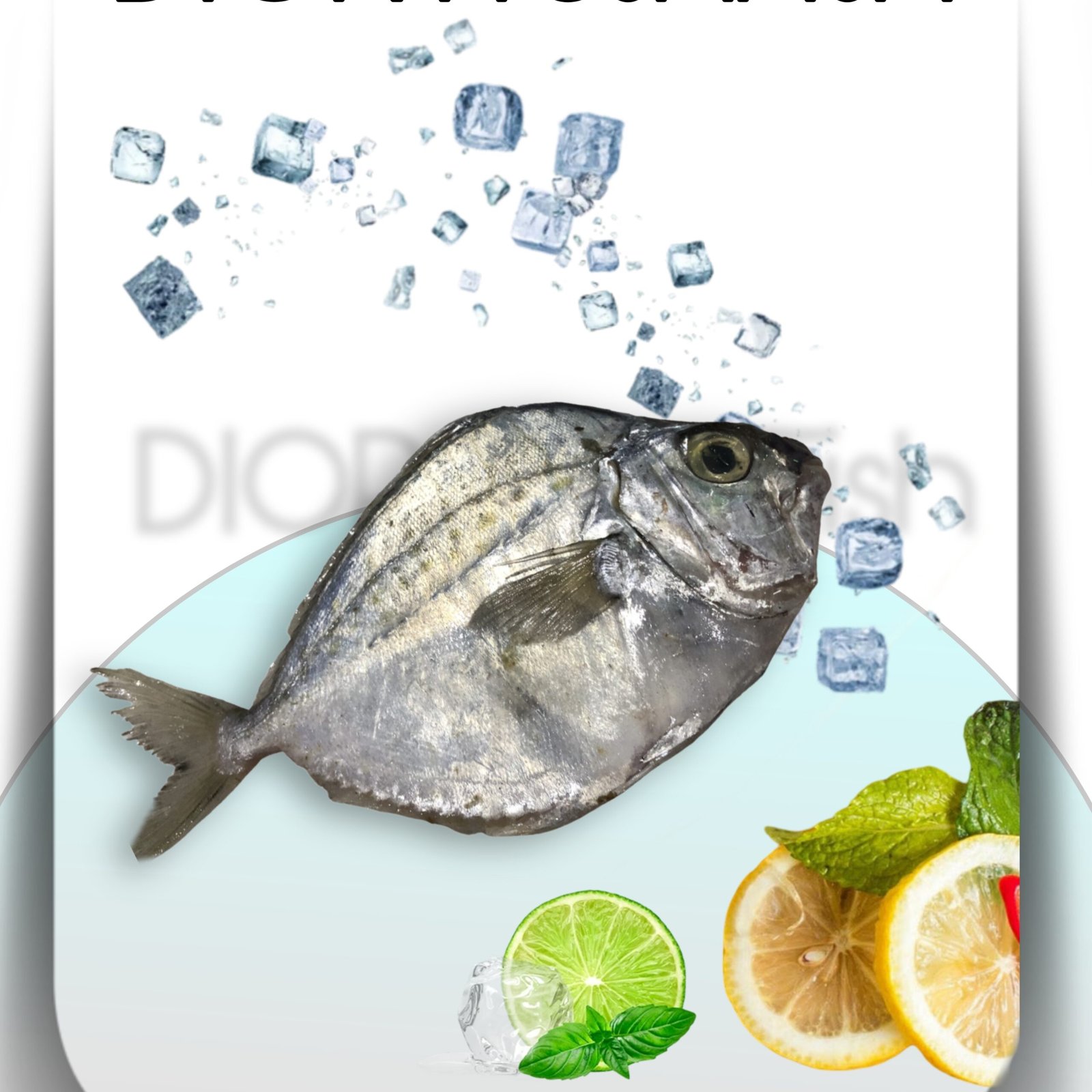
Frozen Fish Explained: Quality, Nutrition, and When It’s the Better Choice
In the UAE, seafood lovers often debate whether fresh fish is always better than frozen. The truth is, high-quality frozen fish can match or even surpass fresh options in taste, texture, and nutrition, when handled correctly. This guide explains what frozen fish is, how it is processed, its nutritional benefits, and when it may actually be the smarter choice for home cooks and families. We also share best practices for cold-chain delivery, halal handling, and safe storage—practical insights drawn from real-world experience at Dior Fresh Fish.
What “Frozen Fish” Really Means
Frozen fish is seafood that has been rapidly chilled to sub-zero temperatures immediately after being caught or processed. Quick freezing preserves cellular structure, locks in nutrients, and prevents bacterial growth.
Key quality indicators for frozen fish:
-
Cold-chain integrity: Maintained from catch to freezer to delivery
-
Hygienic processing: Fish cleaned and packed under strict halal and hygiene standards
-
Sealed packaging: Prevents freezer burn and contamination
When done right, frozen fish offers the same culinary versatility as fresh fish, making it convenient for home chefs and busy families in the UAE.
Fresh vs Frozen: A Side-by-Side Comparison
| Feature | Fresh Fish | Frozen Fish | Notes |
|---|---|---|---|
| Shelf Life | 1–2 days in fridge | Months in freezer | Frozen allows for long-term storage without quality loss |
| Nutritional Value | High, but degrades after a few days | Locked at peak freshness | Omega-3s, protein, and vitamins are preserved |
| Convenience | Needs immediate cooking | Ready to stock | Perfect for meal planning and batch cooking |
| Flavor & Texture | Very fresh when consumed quickly | Comparable if thawed properly | Rapid freezing prevents ice crystal damage |
| Handling Risk | Sensitive to temperature breaks | Lower if cold-chain maintained | Ensures safe consumption even during delivery |
Frozen seafood like salmon, tuna, prawns, and shellfish can provide both convenience and nutrition without compromising quality.
Why Frozen Fish Can Be Better
1. Consistent Quality
High-grade frozen fish is usually processed at sea or immediately after catch, ensuring it reaches your kitchen at its peak. This reduces the risk of spoilage compared to fish that travels days in warm climates before reaching UAE markets.
2. Nutritional Preservation
Rapid freezing locks in omega-3 fatty acids, protein, and vitamins, making frozen options just as healthy—or sometimes healthier—than “fresh” fish that’s been stored for multiple days.
3. Convenience and Availability
Frozen fish allows you to enjoy seasonal or imported species year-round, like salmon or scallops. For busy UAE households, frozen options reduce last-minute shopping stress.
4. Food Safety
Frozen fish minimizes bacterial growth. When combined with halal handling and hygienic packing, it provides a reliable and safe option for families and home cooks.
How to Choose High-Quality Frozen Fish
When selecting frozen fish, look for:
-
Clear packaging: No ice crystals or frost buildup
-
Brand transparency: Origin, catch date, and processing information provided
-
Cold-chain assurance: Maintained throughout storage and delivery
-
Halal certification or handling statements: Ensures compliance with UAE standards
-
Visible portion sizes and fillet quality: No broken or crushed pieces
At Dior Fresh Fish, every frozen fish product includes temperature-controlled packaging, next-day UAE delivery, and hygienic handling guarantees.
Thawing & Storage Tips
To maintain taste and texture:
-
Thaw in the fridge overnight or in cold water in a sealed bag
-
Never defrost at room temperature
-
Use thawed fish within 24 hours
-
Store any frozen fish in the lowest freezer compartment, maintaining consistent temperature
Proper thawing is critical, especially for salmon, tuna, and shellfish, which can lose texture if mishandled.
Cooking Frozen Fish Successfully
Frozen fish is versatile:
-
Grilling or broiling: Ideal for firm fillets like salmon or sea bass
-
Steaming: Works well with delicate species like pomfret or sole
-
Curries & soups: Frozen fish cubes or fillets integrate seamlessly
-
Shellfish & prawns: Quick-cooking preserves moisture and flavor
Pro tips: Pat dry after thawing, season lightly, and cook at medium heat for even results.
FAQ
Q1: Is frozen fish as nutritious as fresh fish?
A: Yes. When frozen immediately after processing, essential nutrients like omega-3s and protein are preserved, making it comparable to fresh fish.
Q2: How long can frozen fish be stored?
A: Most frozen fish stays high-quality for 3–6 months in a home freezer. Always check packaging for specific guidance.
Q3: Can I refreeze fish once thawed?
A: It’s not recommended as repeated freezing can affect texture and safety. Cook any thawed fish promptly.
Q4: How can I tell frozen fish is high quality?
A: Look for solid, intact portions, minimal frost inside packaging, clear product info, and supplier guarantees of cold-chain and halal handling.
Q5: Do I need to wash frozen fish before cooking?
A: Thaw in sealed packaging, then rinse gently if desired. Pat dry before cooking for best results.
Q6: Is frozen fish safe for children and pregnant women?
A: Yes, as long as it’s handled properly and cooked thoroughly. Choose low-mercury species for added safety.
Final Thoughts
Frozen fish is not just convenient—it can offer consistent quality, preserved nutrition, and safe handling for UAE families and home cooks. The key is cold-chain integrity, halal hygiene, and correct thawing and cooking practices.
Explore Dior Fresh Fish’s Frozen Fish, Salmon, Shellfish, and Fresh Fish collections to enjoy chef-quality seafood delivered across the UAE, with next-day delivery and trusted cold-chain protection. Cooking delicious, safe, and nutritious meals has never been easier.




Add comment