From Ocean to Plate: The Science Behind Fresh Fish Quality
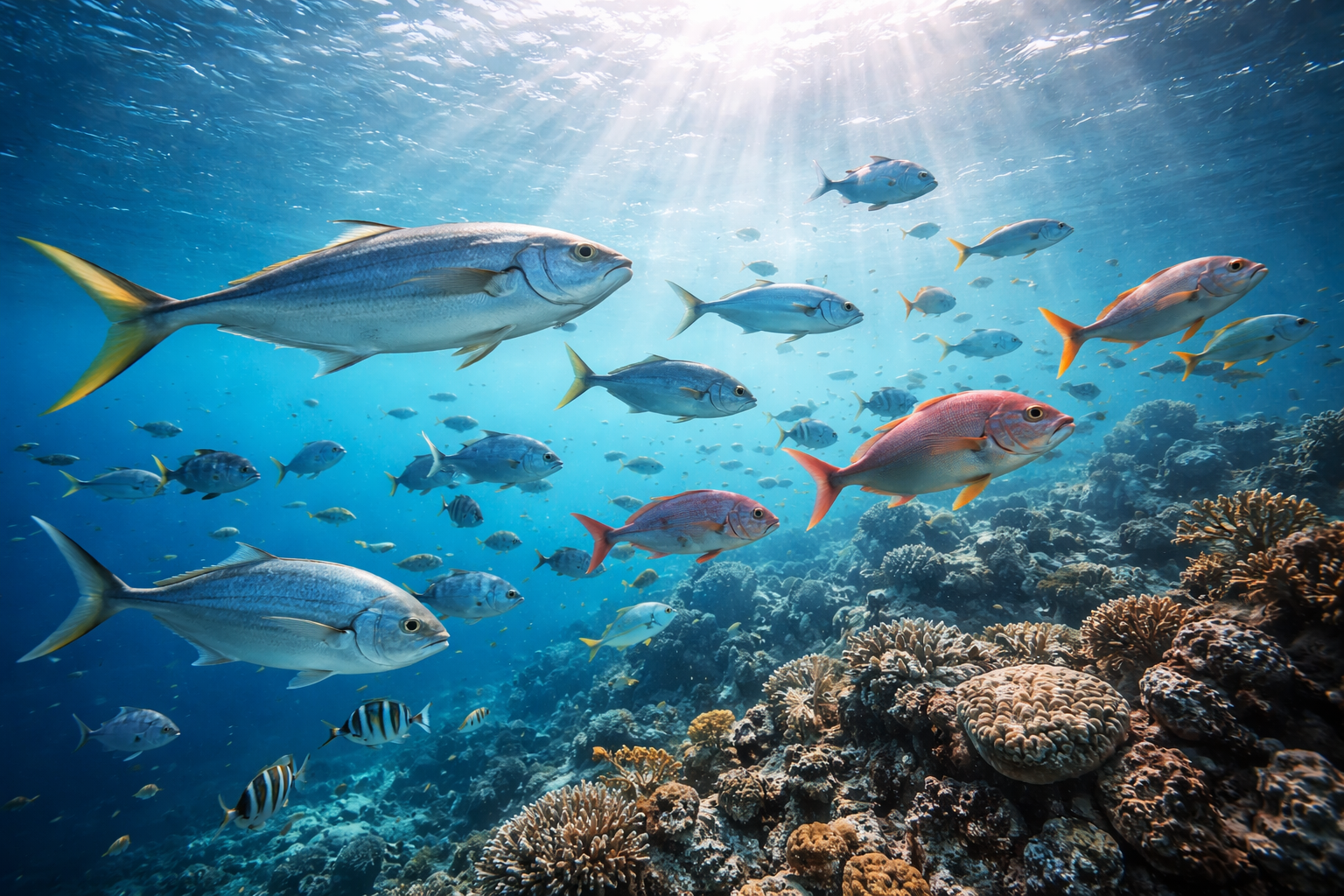
Fresh fish quality is one of the most important factors that determine taste, nutrition, and safety. From the moment fish is caught in the ocean to the time it reaches your plate, every step affects its freshness, texture, and health benefits. Understanding the science behind fresh fish helps consumers make smarter buying decisions and choose seafood that supports long-term health and wellbeing.
The Journey of Fresh Fish: From Ocean to Your Plate
Fresh fish is not just about how it looks in the market. It is about how quickly and carefully it is handled after harvesting.
Key stages that determine freshness:
✔ Catching method
✔ Immediate chilling
✔ Hygienic handling
✔ Cold chain transportation
✔ Proper storage
According to the Food and Agriculture Organization, rapid chilling after catching slows bacterial growth and preserves texture, nutrients, and flavour.
Why Fresh Fish Quality Matters for Health
High-quality fresh fish is rich in:
-
Omega-3 fatty acids
-
Essential amino acids
-
Vitamins D and B12
-
Minerals like iodine and selenium
These nutrients support heart, brain, and immune health. Research from the World Health Organization shows that regular consumption of quality seafood reduces cardiovascular risk and improves cognitive performance.
The Science of Freshness: What Happens After Catching
-
Enzymes start breaking down tissue
-
Bacteria grow if temperature is not controlled
-
Texture and flavour degrade
This is why temperature control and hygiene are critical.
The Cold Chain Principle
Fresh fish must remain at low temperatures from ocean to kitchen. This slows spoilage and ensures:
✔ Better taste
✔ Longer shelf life z
✔ Reduced contamination
✔ Higher safety
Key Indicators of High-Quality Fresh Fish
Smart buyers do not rely only on price. They evaluate quality scientifically.
Look for:
✔ Clear and bright eyes
✔ Firm flesh that springs back
✔ Natural sea smell
✔ Shiny skin and scales
✔ Red or pink gills
Avoid fish with:
✖ Strong odour
✖ Dull skin
✖ Soft or mushy texture
These are signs of poor freshness.
Fresh Fish vs Poor-Quality Fish: The Hidden Risks
Low-quality or poorly handled seafood may lead to:
| Feature | Fresh High-Quality Fish | Poor-Quality / Degraded Fish |
| Eyes | Bright, clear, and bulging (convex). | Cloudy, sunken, or red-rimmed. |
| Gills | Bright red or pink; moist and clean. | Brown, grey, or slimy; may have a sour smell. |
| Skin & Scales | Shiny, metallic glow; scales are tightly attached. | Dull, fading color; scales flake off easily. |
| Texture | Firm and elastic; springs back when pressed. | Soft, “mushy,” or leaves a permanent indentation. |
| Smell | Mild, like sea breeze or clean water. | Strong “fishy,” ammonia, or fermented odor. |
| Safety Risk | Negligible; high levels of Omega-3s preserved. | Risk of Scombroid poisoning or Vibrio bacteria. |
Who Should Eat Fresh Fish?
Fresh fish is suitable for almost every age group:
1. Children
Supports brain and cognitive development.
2. Pregnant Women
Provides essential fatty acids for fetal growth.
3. Athletes and Active Individuals
High-quality protein aids muscle recovery.
4. Elderly
Supports heart health and reduces inflammation.
5. People with Lifestyle Diseases
Helps manage cholesterol and blood pressure.
Sustainability and Responsible Seafood
Modern consumers also care about environmental impact. Fresh seafood sourced responsibly:
✔ Supports ocean ecosystems
✔ Reduces overfishing
✔ Encourages ethical fishing
Choosing trusted suppliers ensures sustainable sourcing.
Storage and Handling Tips at Home
To maintain quality:
✔ Refrigerate immediately
✔ Store on ice
✔ Use airtight containers
✔ Consume within 1–2 days
✔ Freeze if needed
Proper storage preserves flavour and nutrients.
Cooking Fresh Fish for Maximum Nutrition
Fresh fish can be prepared in many healthy ways:
-
Grilling
-
Baking
-
Steaming
-
Pan-searing
-
Light curries
Avoid overcooking, as it reduces nutritional value.
Why Modern Consumers Prefer Premium Fresh Fish
Today’s buyers are more aware of:
✔ Health and nutrition
✔ Food safety
✔ Quality and taste
✔ Sustainable sourcing
This is why demand for premium fresh seafood is growing globally.
We offer a premium selection of seafood, including fresh fish, frozen fish, and shellfish, carefully sourced to ensure the highest quality. Our products are among the best-selling seafood in the UAE, delivering unmatched freshness and taste. From ocean to plate, every item follows strict handling and cold-chain standards to preserve nutrition, flavour, and safety. Explore our full range of fresh and frozen seafood and experience the convenience of fast UAE delivery with guaranteed quality.
Conclusion
The science behind fresh fish quality proves that freshness is not just a marketing term. It directly affects health, safety, taste, and nutrition. From ocean harvesting to home cooking, every step plays a role in delivering superior seafood. Choosing high-quality fresh fish from trusted suppliers ensures a healthier lifestyle and better culinary experience.
FAQs
1. How can I know if fresh fish is safe to eat?
Check smell, texture, and appearance. Buy from reliable seafood suppliers that follow hygiene and cold-chain standards.
2. Is fresh fish healthier than other protein sources?
Yes, it provides essential fatty acids, vitamins, and high-quality protein that support heart and brain health.
3. How often should I eat fresh fish?
Experts recommend consuming fish 2–3 times per week for optimal health benefits.
4. Can fresh fish be frozen without losing quality?
Yes, freezing preserves nutrients if done correctly and quickly.




Add comment