
Frozen vs. Fresh Fish: Which Is Healthier for Your Diet?
Frozen vs. Fresh Fish: Which Is Healthier for Your Diet?
When you walk into a grocery store or browse an online seafood shop, you are faced with a classic dilemma: Should you head to the fresh seafood counter or the freezer aisle?
For a long time, there has been a common misconception that “fresh” always means better. However, with modern technology changing the way we process food, the gap between frozen seafood and chilled options has closed. In this guide, we’ll dive deep into the nutritional facts to help you decide which is best for your health and your lifestyle.
The Myth of the “Fresh” Counter
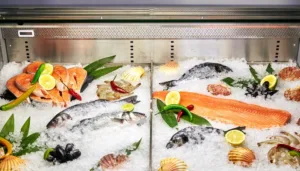
Many people believe that the fish sitting on ice at the seafood counter was caught that morning. In reality, unless you live right on the coast, “fresh” fish may have traveled for days via truck or plane. During this transit time, the fish gradually loses its peak nutritional value and texture.
On the other hand most fish frozen food today is “flash frozen” at sea. This means the fish is frozen at extremely low temperatures within hours of being caught essentially locking in its nutrients and freshness at their peak.
Is Frozen Fish Healthy? The Nutritional Verdict
The short answer is: Yes. Studies have shown that freezing does not reduce the nutritional content of fish. The essential proteins, minerals, and Omega-3 fatty acids (the healthy fats your heart loves) remain fully intact during the freezing process. In fact, because “fresh” fish can oxidize over several days of transport, high-quality frozen seafood can sometimes be more nutritious than the chilled fish at your local store.
| Feature | Chilled Seafood (Fresh) | Frozen Seafood |
| Nutritional Density | Declines slowly after harvest | Preserved at the moment of catch |
| Shelf Life | 1–2 days in the fridge | 3–6 months in the freezer |
| Availability | Depends on the season | Available year-round |
| Sustainability | Higher carbon footprint (air freight) | Lower footprint (sea/land transport) |
| Convenience | Must be cooked immediately | Cook whenever you are ready |
Why You Should Consider Frozen Seafood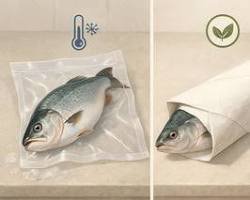
1. Peak Freshness Guaranteed
Because of flash freezing technology, the frozen seafood you buy today is often “fresher” than the chilled fillets that have been sitting in a display case for 48 hours.
2. Reduced Food Waste
One of the biggest benefits of frozen food is portion control. You can take out exactly what you need for dinner and leave the rest in the freezer. This significantly reduces household food waste and saves you money.
3. Safer to Consume
Freezing fish to specific temperatures is a natural way to kill potential parasites. This is why even “sushi grade” fish is often frozen before being served raw—it adds an extra layer of safety for the consumer.
4. Better for Your Budget
Frozen fish is almost always more affordable than fresh fish. Since it can be transported by ship or truck rather than expensive overnight air freight, those savings are passed directly to you.
Expert Tips for Buying Frozen Fish
To ensure you are getting the best quality look for these signs:
- Check for Ice Crystals: Large clumps of ice inside the bag may suggest the fish thawed and was refrozen.
- Vacuum Packaging: Ensure the seal is tight. This prevents freezer burn which can toughen the texture of the meat.
- Check the Origin: Look for reputable sources that prioritize sustainable fishing practices.
Conclusion:
When it comes to the battle of Frozen vs. Fresh, there is no loser. If you have access to a local dock with a daily catch, go for the fresh option. However, for the average shopper frozen seafood is a nutritional powerhouse that offers better value longer shelf life and guaranteed safety.
Don’t let the “frozen” label fool you it is a smart healthy and delicious choice for any modern diet.
FAQs:
Q: Does freezing change the texture of the fish? A: If thawed correctly (slowly in the refrigerator) the texture remains nearly identical to fresh fish. Avoid using a microwave to thaw, as it can make the fish rubbery.
Q: Can I cook fish directly from frozen? A: Yes! Many white fish fillets (like Cod or Tilapia) can be baked or air fried directly from the freezer though adding a few extra minutes to the cooking time is necessary.
Q: Is frozen fish processed with chemicals? A: Not usually Always check the ingredient label. High-quality frozen seafood should list only one ingredient the fish itself.
Q: Is frozen fish more expensive than fresh? A: Usually no; frozen seafood is often 20-30% cheaper because it can be transported by sea or land rather than expensive overnight air freight.







Add comment